Got land to map, but not sure which drone to trust with the job?
It’s a real dilemma. Especially when accuracy, time, and cost are all at stake.
A drone topographic survey isn’t just about flying a cool gadget. It’s about collecting serious data. Elevations. Slopes. Surface changes.
Some estimates show that drone surveying has significantly reduced field time for many survey firms. That’s not a small win. That’s game-changing. But only if you pick the right drone.
Why Drone Topographic Surveys Make Sense
Let’s talk about why people use drones for surveying.
You could walk the site with a crew and tripods. Old school. And slow. Or you could fly a drone over the land. Let it collect tons of spatial data and generate 2D or 3D models from the air.
An aerial topographic survey is quick, detailed, and less labor-intensive. You reduce human error. You avoid dangerous terrain. And you get better results in less time. However, not all drones can pull this off.
What Makes a Drone Survey-Ready?
So, what separates the hobby drones from the real-deal survey beasts?
Let’s break it down.
- Camera quality: You’ll want a good, high-resolution camera. Think 20MP or more. Sharper images. More accurate data.
- RTK or PPK modules: These are what fix those little GPS hiccups. They make your data way more precise.
- Flight time: The longer it flies, the more ground you cover. So yeah, battery life really matters.
- Payload support: For LiDAR or multispectral sensors, you need a drone that can handle the weight.
- Software compatibility: A drone is only as good as the tools that process its data.
This is where the search for the best drone for topographic surveys starts to make sense.
Types of Drones for Topographic Mapping
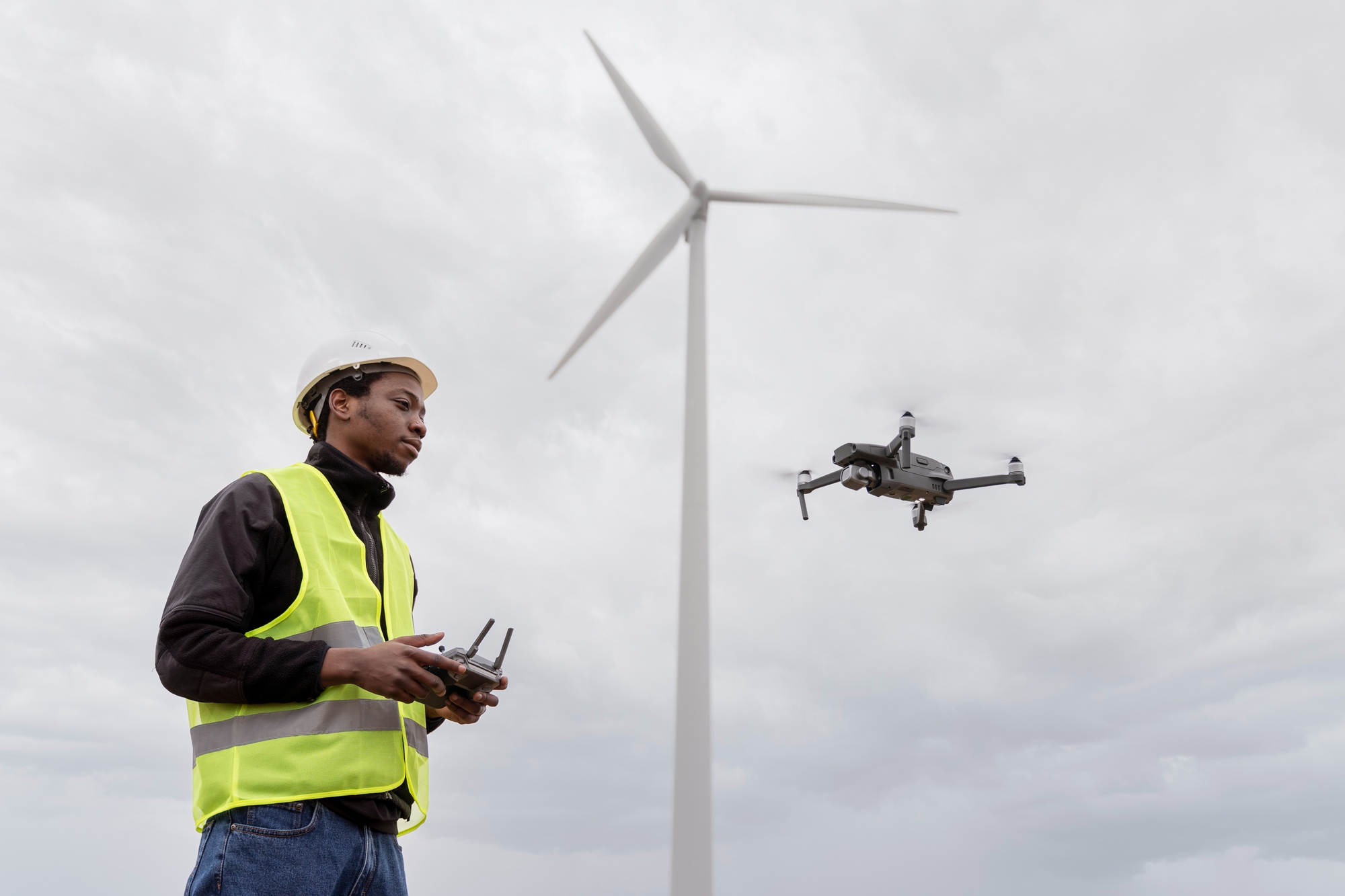
There are two main types:
1. Multirotor Drones
These are like your standard quadcopters. Great for small areas and vertical takeoff. Super agile. But they don’t have long flight ranges.
Ideal for:
- Construction sites
- Small land plots
- Urban surveys
Not ideal for:
- Massive agricultural or forested areas
2. Fixed-Wing Drones
These look more like mini aeroplanes. They cover larger areas in one flight and are more efficient on big sites.
Ideal for:
- Agriculture
- Mining
- Long-range mapping
Not great at:
- Flying in tight or obstacle-heavy zones
Best Drone Features for Topo Projects
When it comes to a solid topographic mapping drone, here’s what should be non-negotiable:
- GNSS capability (Global Navigation Satellite System) for accurate geo-tagging
- Stabilized gimbals to reduce image blur
- Obstacle avoidance to protect your expensive gear
- Survey-grade accuracy within a few centimeters
- LiDAR compatibility if you want to capture the ground surface below vegetation
Some drones offer photogrammetry. Others support LiDAR. Some do both. Choose based on your project size and terrain complexity.
Common Drone Picks
Surveyors often go for models that support:
- 20MP cameras or higher
- RTK or PPK GPS systems
- At least 30–45 minutes of flight time
- Mapping software like Pix4D, DroneDeploy, or Global Mapper
Basically, if it sounds too “off-the-shelf,” it probably won’t cut it for a topographic mapping drone.
Things That Affect Your Decision
Alright, here’s where it gets real. What works for one project might not work for another. Ask yourself:
- How big is the site?
Large areas need fixed-wing drones. Small to mid-size projects can use multirotors.
- What’s the terrain like?
Heavy vegetation? Hills? You might need a LiDAR sensor to penetrate that greenery.
- How accurate does it need to be?
If you’re submitting plans to the council or working near property lines, you’ll want high accuracy. RTK is your friend.
- What’s your timeline?
Short on time? Drones with better flight endurance will help.
Aerial Topographic Survey vs Ground Methods
Let’s be honest. Ground surveys are great. But slow.
An aerial topographic survey using drones lets you:
- Cover large land areas 5x faster
- Avoid field risks like snakes, uneven terrain, or construction zones
- Collect elevation and surface data with better clarity
- Automate post-processing
- Store and revisit your data anytime
It’s not just a new way. It’s a better one.
Our Approach at Drone Lidar Mapping
At Drone Lidar Mapping, we know no two sites are the same. That’s why we tailor every project. Our FAA Part 107 certified drone operators use professional drones fitted with LiDAR sensors or high-resolution cameras. They gather data through overlapping images or laser scanning.
We process the data, clean it up, and deliver ready-to-use maps, models, and reports. All accurate. All streamlined.
Conclusion
Picking the right drone for a drone topographic survey isn’t just about flying high. It’s about flying smart. You’ve got land to map. Lines to mark. Elevations to figure out. You need a drone that actually gets the job done, not just one that fits your price range. From how long it flies to the sensors it carries, even the post-processing stuff—it all counts.
So, whether it’s your first aerial topographic survey or you’re just checking out the best drone for topographic survey, don’t wing it. Drone Lidar Mapping helps you plan it right, fly it right, and get the data that actually matters.