Data from the site is not heavy or sluggish, but many teams still rely on traditional surveying methods, which can take days and even cause delays in progress. The thing is that projects are moving fast today, and decision-makers want information they can trust without waiting around.
This is where modern technology steps in, particularly when we discuss the use of drones for land surveys and how they can transform the process of planning, engineering, and development.
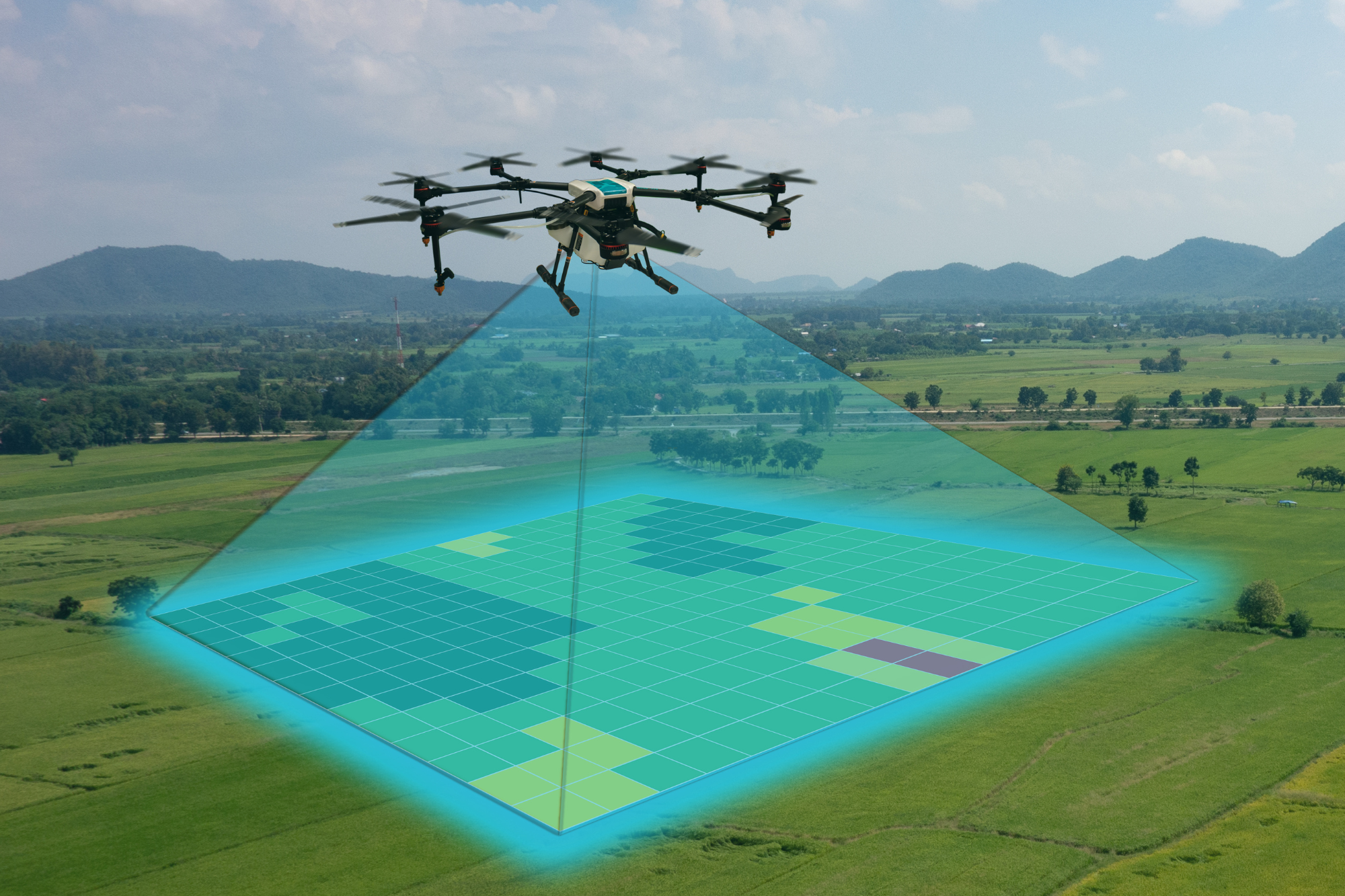
Did you know studies from.-,Vertical%20Accuracy,(e.g.%2C%20Figure%205).) major U.S. agencies show that drone-based elevation models can reach accuracy within a few centimeters when combined with LiDAR and ground control? That level of precision used to take much longer to collect on foot. With drones now carrying advanced sensors, teams get a flood of rich site data in a fraction of the time.
Before we go deeper, here are a few key takeaways that set the tone for the rest of this guide:
- Drone topographic mapping gives fast and reliable elevation data.
- LiDAR drones can cover large areas safely without sending crews into risky zones.
- Engineering, construction, and land development teams benefit most from fast, accurate site insights.
Let’s break it down and walk through how this works and why services from DroneLiDARMapping.com help teams stay ahead.
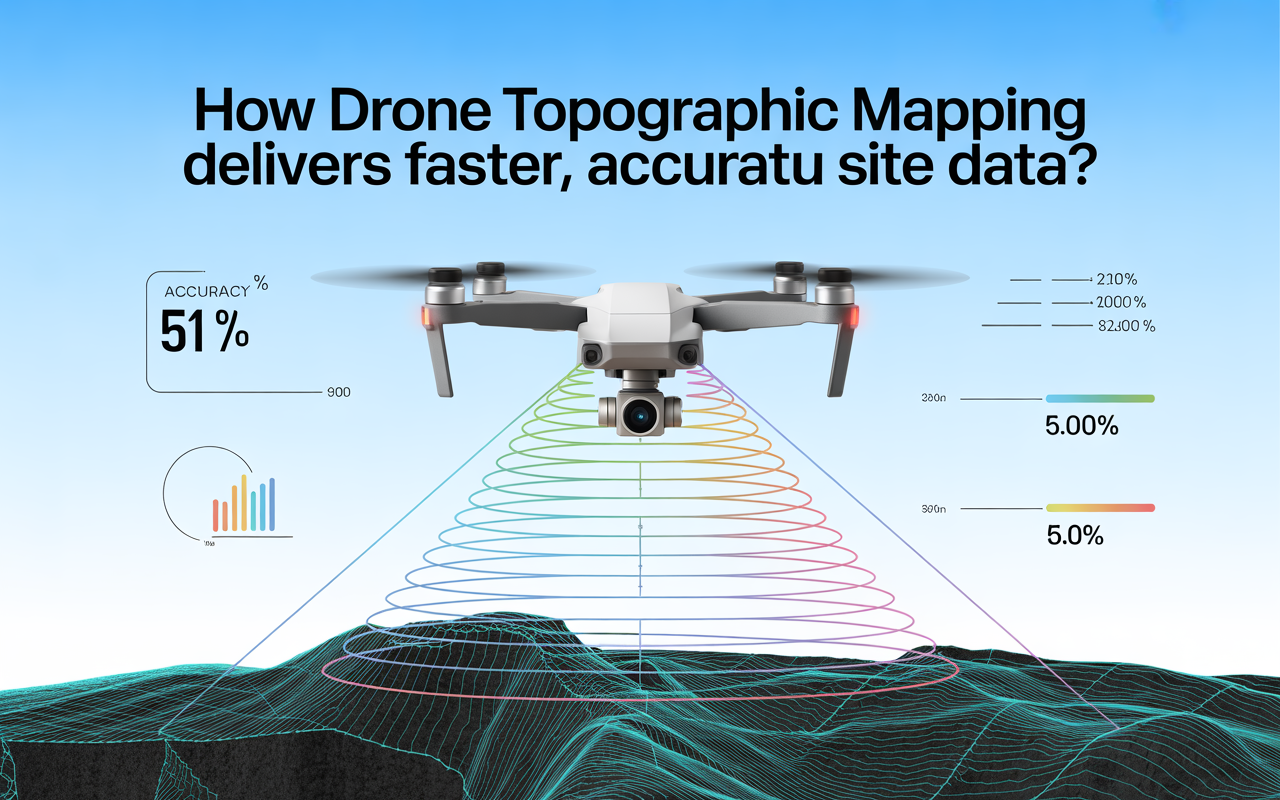
How Modern Drone-Based Topographic Techniques Improve Surveying Workflows
The way site data is collected has changed. Instead of moving point by point on foot, drones cover everything from small lots to thousands of acres in one flight. For teams working on design, earthwork, planning, or documentation, this shift brings more clarity, fewer errors, and far better visibility.
Digital Terrain Models for Engineering Precision
What this really means is simple: the more ground detail you collect, the better your design decisions become. Drone-captured digital terrain models show accurate slopes, elevation changes, and land features that engineers rely on for grading, utility layouts, and site planning.
Orthomosaic Imagery and Contour Mapping for Clear Visualization
High-resolution drone imagery gives teams a true, scaled view from above. Contour lines generated from LiDAR help planners understand site shape instantly. When we use those layers, they receive an accurate and clear view of the site and help to avoid a lot of mistakes at the beginning of the construction process.
Expert insight: Many survey professionals note that dense elevation data lets them solve design issues earlier, saving both time and cost.
Speed & Accuracy: Why Drone Mapping Outperforms Ground Surveys
If someone asked why drone mapping feels so much faster, the short answer is efficiency. Drones don’t get tired, don’t slow down on rough terrain, and don’t miss details. A single flight can gather millions of measurement points that would take days by hand.
Point Cloud Density and Elevation Data
LiDAR sensors that are installed on drones can capture a dense cloud of points. More points mean more precision, particularly in areas with uneven or wooded surfaces. This is where aerial lidar survey services shine, giving project teams dependable numbers they can work with.
Benefits include:
- Consistent elevation accuracy
- Better modeling for cut-and-fill work
- Reliable details under vegetation
UAV Photogrammetry and Real-Time GNSS Positioning
Coupled with GNSS and advanced stabilization, drones keep data stable and aligned. The combination is what makes aerial lidar mapping services so effective for large, complex sites.
A real example: Many construction managers use monthly LiDAR flights to compare elevation shifts and stay on top of grading progress. It saves rework and supports smarter planning.
Why Developers and Engineers Prefer Drone-Based Land Surveying Solutions
When deadlines are crucial, the time it takes for ground workers to walk the entire site isn’t in line with modern workflows. Drones offer speed, consistency, and clarity to help teams stay organized.
Large-Area Surveys for Land Development & Construction
Drones handle large parcels easily, even when the terrain is messy or steep. Many clients search for a drone surveying company near me because they want a quicker way to kick off development without delays.
Boundary & ALTA Surveys Supported by Detailed Topographic Data
When you mix traditional boundary work with detailed elevation models, the final deliverables become far more accurate. Survey teams appreciate this, and so do developers. It’s one reason another drone surveying company near me often searches, which often leads clients to choose experts who provide full LiDAR and mapping services from DroneLiDARMapping.com.
Real-World Applications That Show the True Value of Drone Mapping
Here’s the thing: team leaders care less about theory and more about results. Drone mapping proves itself across many real jobs.
Construction Progress Monitoring for Smarter Decision-Making
With monthly or weekly drone flights, managers see exactly what changed on the site. Updates on elevations catch problems with grading before they escalate. Material stockpiles, dirt movements, and site compliance are easy to monitor.
Environmental and Infrastructure Planning Benefits
Elevation accuracy supports drainage planning, utility layouts, flood analysis, and road design. Teams making long-term decisions often depend on aerial lidar survey services and aerial lidar mapping services to verify the land’s true shape before committing to major designs.
CTR Moment: Don’t wait for delays to stack up. Bring LiDAR drone mapping into your workflow and keep every step of your project moving forward.
See Your Site Clearly. Build Faster. Plan Smarter.
Fast and accurate data will always matter in development, and drone topographic mapping delivers exactly that. With DroneLiDARMapping.com, expert teams get dependable models, clean visuals, and reliable numbers that make planning easier. This approach supports engineering, construction, and land development in ways older methods simply can’t match.
That’s why more teams are shifting to drone land surveying as a smarter way to keep projects on track.
Key FAQs
1. How accurate is drone topographic mapping?
It can reach centimeter-level accuracy depending on sensors, ground control, and flight planning.
2. Can drone surveys replace traditional surveys?
They can replace or support many tasks, especially large-area topographic work.
3. What affects LiDAR survey accuracy?
Sensor quality, flight altitude, GNSS stability, and ground control all play a role.
4. How long does a typical drone mapping session take?
Most projects are finished within hours instead of days.
5. Is drone mapping useful for construction tracking?
Yes, teams use it to monitor grading, utilities, and monthly progress.