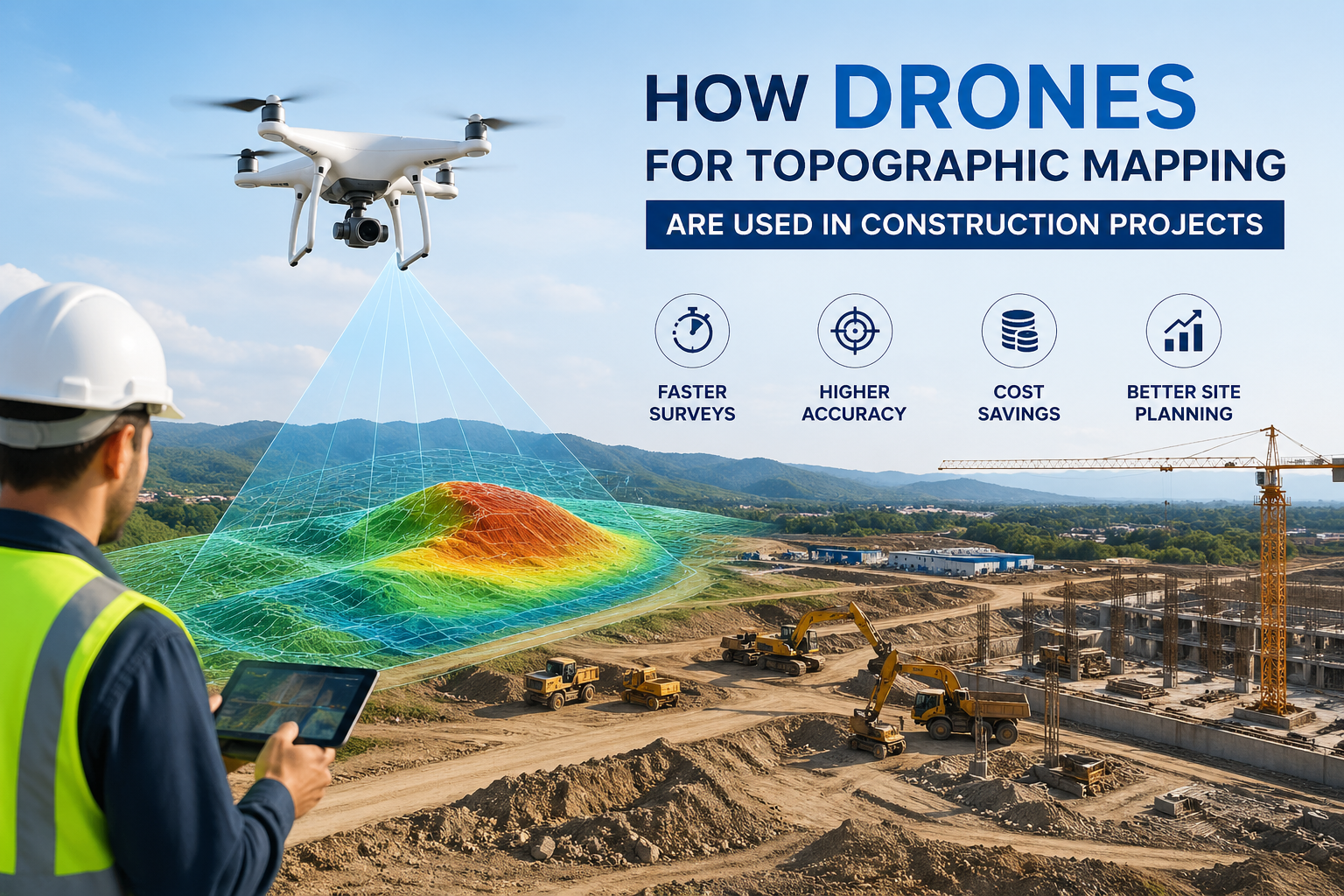
Construction projects are complex. Tight timelines. Strict budgets. Too many variables. And here’s the kicker—most problems start before the building even begins. Bad site data. Inaccurate terrain information. Poor visibility of underground or above-ground structures. Yes. It all snowballs from there.
According to the McKinsey Global Institute, large construction projects often go 20% over schedule and up to 80% over budget.
So, how do you avoid the chaos? Enter: aerial LiDAR mapping services.
It’s not just tech hype. It’s a game changer. And if you’re still relying only on ground surveys or outdated maps, you’re already falling behind.
The Traditional Way Isn’t Cutting It
Most old-school surveys take time. Days. Sometimes weeks. And during that time, things change. Heavy rains alter topography. Trees fall. Roads get dug up. Or maybe the data just misses things entirely—like subtle elevation shifts or hidden drainage patterns. You can’t plan accurately if you’re working with guesswork.
This is where aerial LiDAR survey services blow the traditional method out of the water. You don’t have to set foot on unstable terrain. You don’t have to stop everything while the land gets mapped. The sky handles it.
What’s Aerial LiDAR?
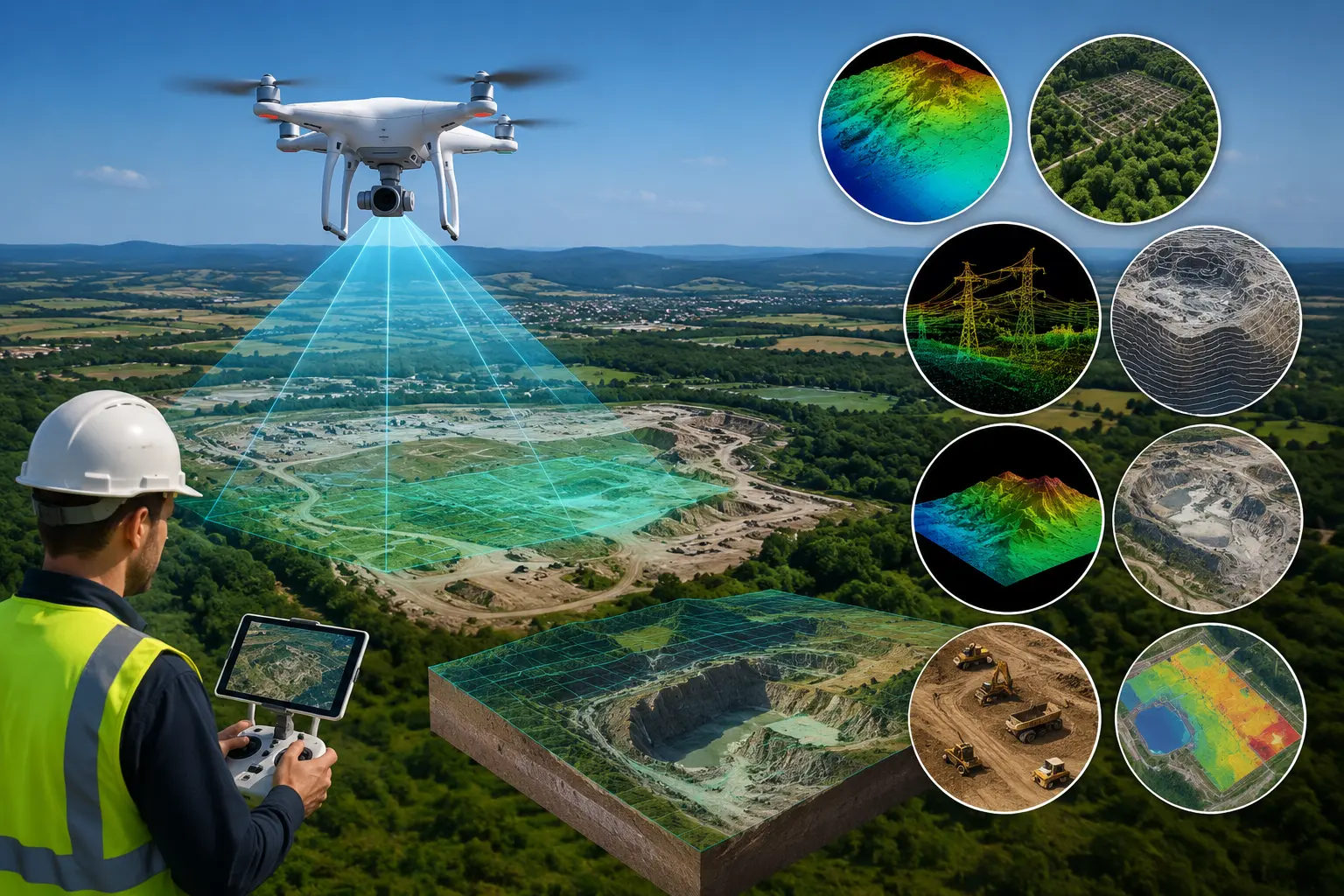
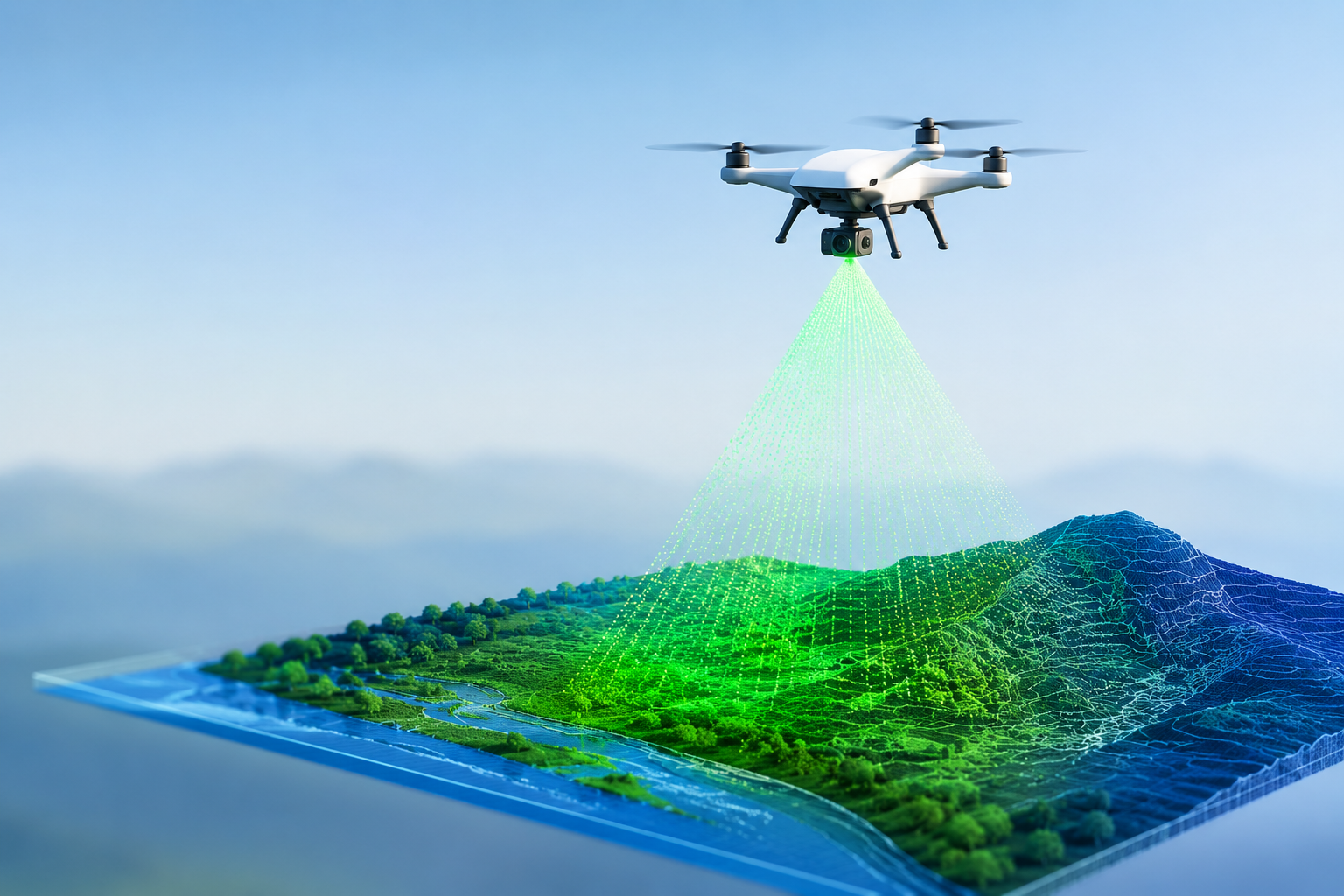
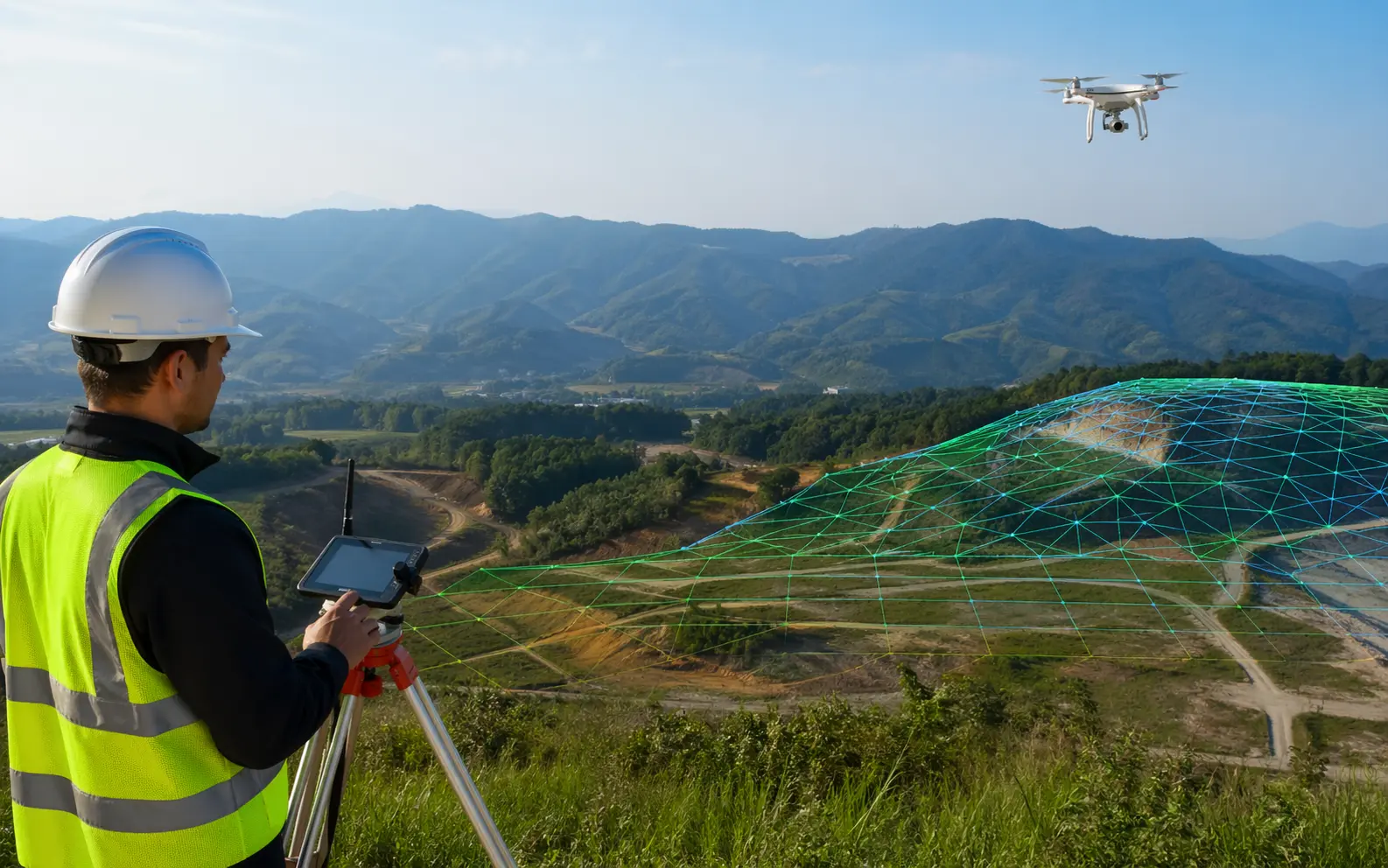
LiDAR stands for Light Detection and Ranging. Basically, a sensor shoots out laser pulses from the air, usually mounted on a drone or aircraft.
These pulses bounce back after hitting the ground, and the data creates an insanely detailed 3D map of the surface.
We’re talking about thousands of measurements per second. Accurate down to a few centimeters. No climbing hills. No setting up bulky tripods. Just fast, high-resolution elevation data, processed and delivered in formats that your engineers, architects, and planners can actually use.
How Aerial Lidar Mapping Services Help in Construction Projects
Here’s why aerial LiDAR mapping services are becoming essential in construction:
1. Speed
Time is money. And LiDAR mapping via drone? It’s lightning fast. What used to take weeks now takes hours. No more delays waiting for survey data. Your team can move from planning to building without long pauses in between.
2. Seriously Accurate Data
Tiny dips. Sharp inclines. Subtle terrain shifts. LiDAR doesn’t miss them.
It gives a level of detail that traditional surveying tools just can’t match, especially in places with dense vegetation or rugged terrain. This means better planning, which means fewer “surprises” on-site. And it also means fewer budget blowouts.
3. Access to Hard-to-Reach Areas
Steep slopes. Swampy land. Remote rural zones. No problem. LiDAR drones fly over, map everything, and get out. No boots in the mud. No risk to workers. Just clean, accurate data from places no one really wants to hike into.
4. Layered Intelligence
Want to know just the ground level? Check. Need data through vegetation? Done. Want to model both terrain and structures? Easy.
Drone topographic mapping using LiDAR separates layers of detail. So planners and engineers can focus on exactly what they need. Nothing more. Nothing less.
5. Works Day or Night
LiDAR doesn’t rely on light. It uses laser pulses, so it works just fine in total darkness. Planning night operations? Working tight shifts? Need data before sunrise? LiDAR’s got you.
Not Just the Big Guys
You might think this kind of tech is only for mega-budget developments or government projects. That’s not true.
Smaller residential developers, roadworks, bridge contractors, and even landscaping teams are now using aerial LiDAR survey services. Why? Because the cost has dropped. And the value? Still sky high. Plus, the ability to get instant topographic data saves so much time and costs down the line that it practically pays for itself.
Planning, Monitoring, and Maintenance
Aerial LiDAR isn’t a one-time-use kind of tool.
- Use it during pre-construction to plan efficiently.
- Use it during the construction phase to monitor progress and verify structures.
- Use it after completion to keep an eye on structural integrity or land movement.
It’s a full-circle tool that grows with your project.
Let’s Talk Environment
In environmental impact assessments, LiDAR shines.
Need to understand flood risks? Check slope, drainage, and catchment data. Trying to plan around protected trees or waterways? LiDAR can help with vegetation analysis, too.
With all that detailed mapping, you can plan smarter—and greener.
Drone + LiDAR = Super Combo
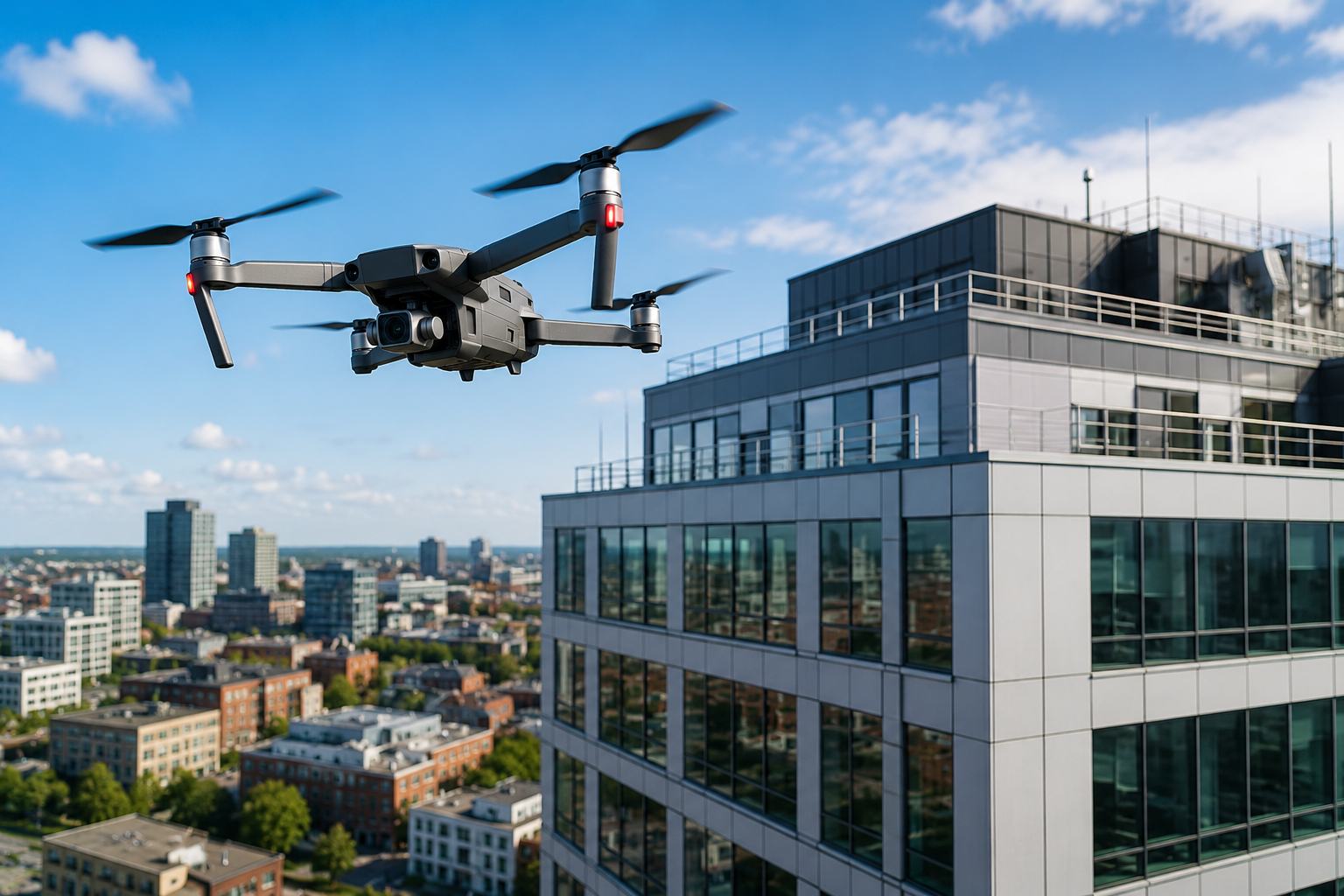
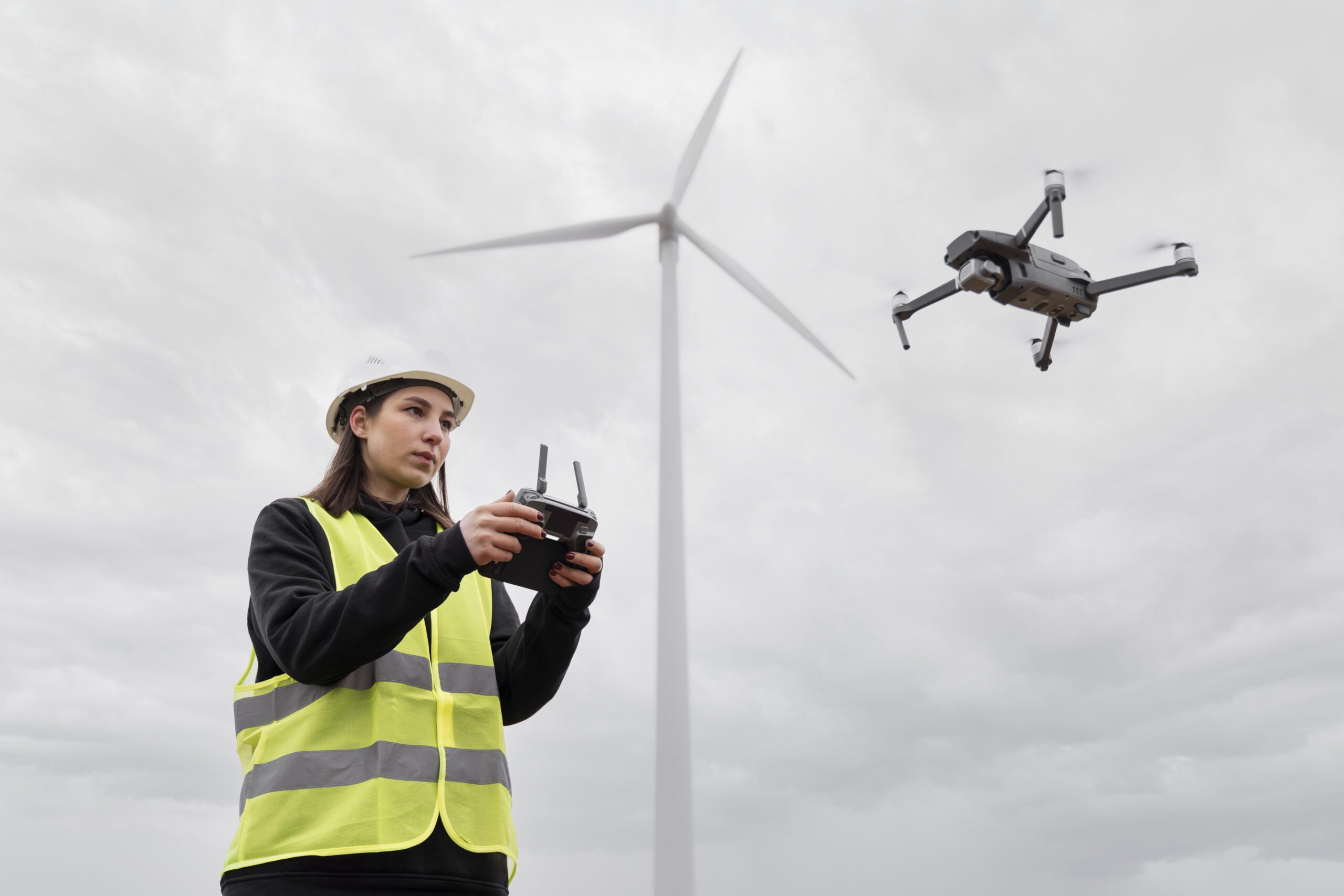
Using drones for LiDAR isn’t just efficient. It’s scalable. Flexible. Fast.
You can cover large areas in a short time. Or map smaller, high-priority zones with pinpoint precision. Either way, you’re getting data that makes decision-making way easier. Drone topographic mapping using LiDAR has become the new standard for smart construction teams.
Conclusion
Construction doesn’t forgive mistakes. Neither should your data. With Skyelink’s aerial LiDAR mapping services, you get a bird’s-eye view with ground-level precision — faster, safer, and smarter. Whether you’re building a shopping centre, road network, or your dream home, better data means better results. Let your next project fly high with Skyelink.
Drone LiDAR Mapping delivers sharp, reliable, and ready-to-use LiDAR data tailored for your build. From site surveys to final checks—we’ve got your mapping needs covered.
Get in touch. Let’s map it out.